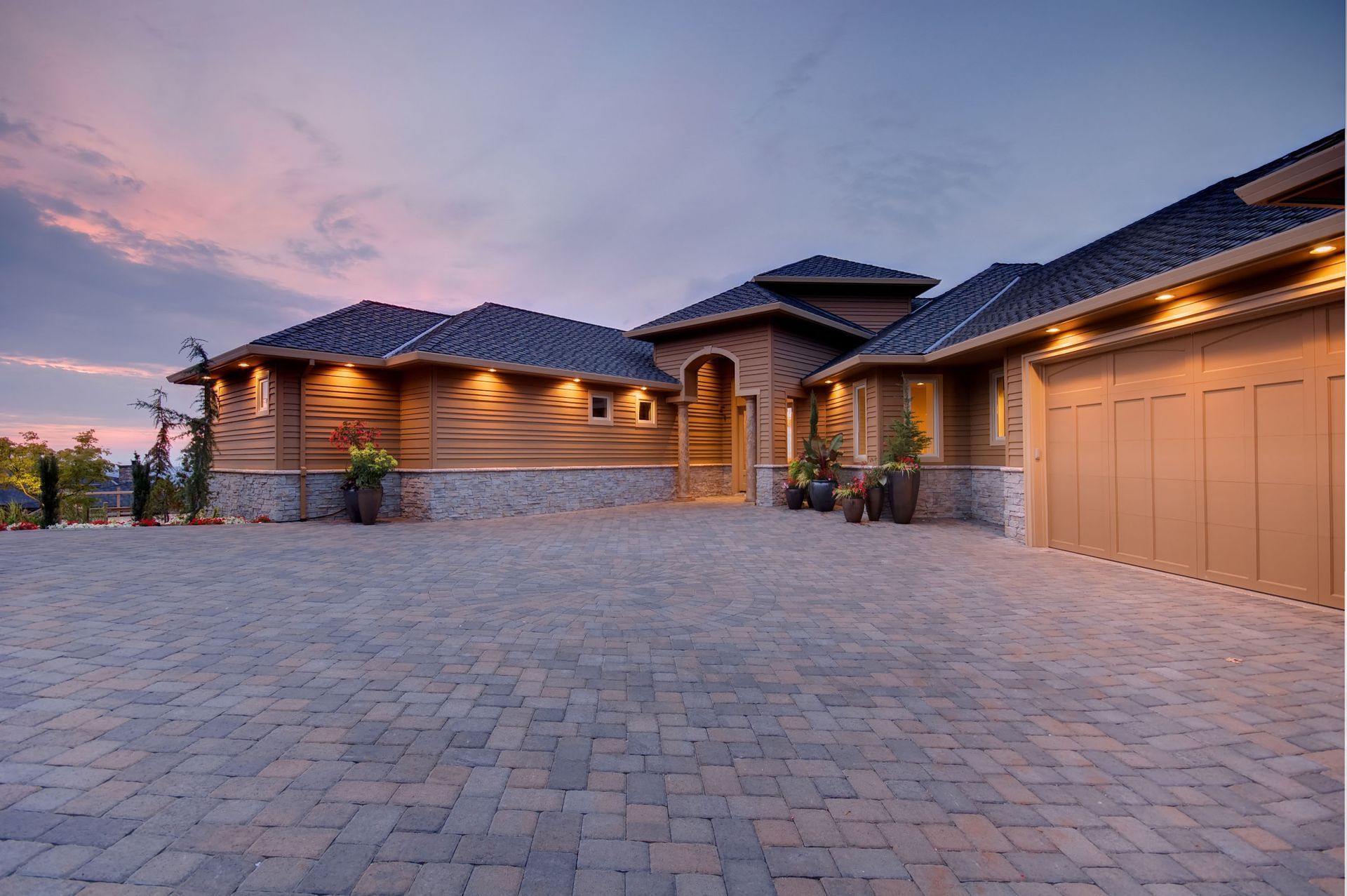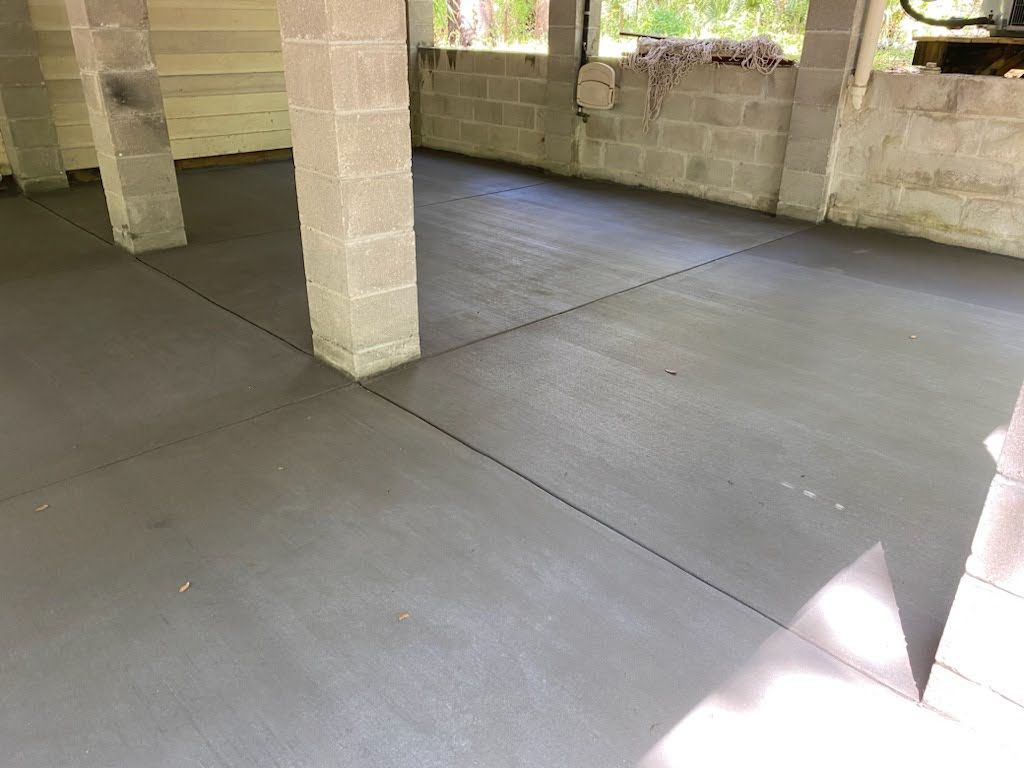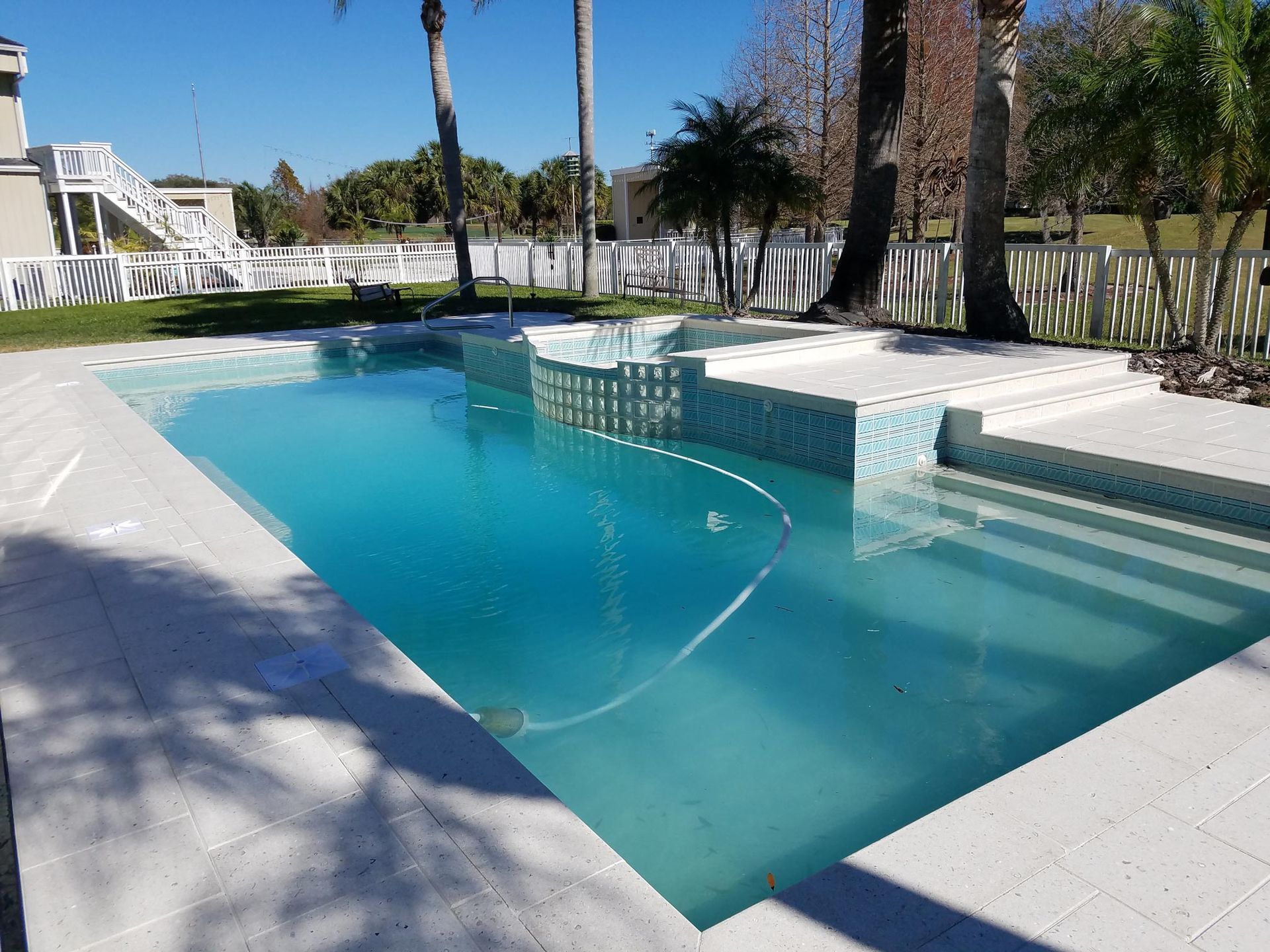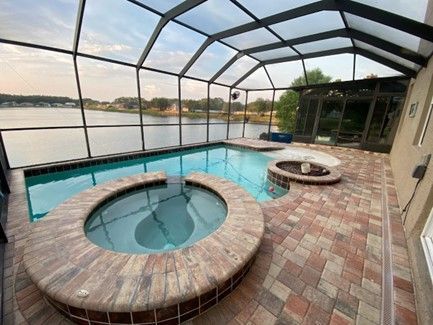
Homeowners seeking durable hardscaping improvements can maximize value by making well-informed decisions throughout the planning and hiring process. According to Zipdo, over 60% of homeowners now prioritize outdoor living features like patios, fire pits, and outdoor kitchens over traditional lawn expansion, signaling a shift toward functional outdoor environments. Because major hardscaping projects require substantial investment, partnering with a competent concrete contractor ensures structural integrity and financial efficiency. Selecting proper materials, scheduling during off-peak windows, and clarifying project specifications early prevent costly errors. Smart choices made prior to excavation protect property budgets while delivering resilient, attractive surfaces that stand up against harsh weather conditions over many years.
1. Evaluating Credentials Before Hiring
Carefully scrutinizing licensing, bonding, and insurance documents prevents unexpected liabilities that can quickly inflate hardscaping expenses. Property owners who verify active credentials protect themselves from property damage claims or injury liabilities occurring during construction. Requesting recent references and inspecting past local projects provides transparent insight into work quality and crew professionalism. A licensed concrete contractor will readily share proof of liability insurance, worker protection coverage, and proper local permits. Verifying these essential documents up front eliminates financial exposure to structural failures or legal complications, establishing a reliable foundation for cost-effective construction without sacrificing safety or long-term durability standards.
2. Comparing Written Bids With Details
Requesting itemized estimates from multiple local professionals allows property owners to analyze labor, material, and equipment expenses clearly. Detailed proposals prevent unexpected fee additions mid-project by establishing clear expectations regarding surface excavation, subbase preparation, reinforcement mesh, and concrete mix specs. When evaluating options, comparing line items ensures every concrete contractor includes necessary site cleanup and waste removal costs within their total quote. Transparent pricing structures make it easier to identify inflated material markups or missing structural requirements early. Choosing detailed proposals over vague estimates keeps overall expenditures predictable while establishing accountability throughout every stage of the installation.
3. Timing Site Work With Off-Peak Periods
Scheduling driveway or patio installations during slower construction seasons frequently yields better pricing and increased scheduling flexibility. Demand for hardscaping crews peaks during warm spring and summer months, which often drives up labor costs and delays project completion dates. Booking work during late autumn or early spring permits property owners to secure favorable rates as crews seek steady work. A flexible concrete contractor may offer promotional discounts or reduced mobilization fees to fill open gaps in their seasonal schedule. Capitalizing on off-peak scheduling availability reduces initial project expenses while ensuring a dedicated crew focuses on delivering top-tier finishing craftsmanship.
4. Selecting Standard Finishes for Cost Efficiency
Choosing classic decorative finishes rather than complex custom stamping methods delivers an elegant aesthetic while keeping overall labor costs manageable. Stained, broom-finished, or exposed aggregate surfaces require less labor-intensive installation steps while providing exceptional slip resistance and longevity. Standard decorative options allow homeowners to achieve sophisticated design outcomes without paying high custom mold fees or specialized color application charges. Consulting a knowledgeable concrete contractor helps property owners identify attractive finishing options that balance curb appeal with budget boundaries. Opting for time-tested finish techniques minimizes labor hours on site, allowing funds to be allocated toward structural reinforcement and essential subbase preparation.
5. Preparing Existing Soil With Thorough Methods
Investing adequate time into base preparation prevents future settlement, surface cracking, and drainage failures that demand expensive repairs later. Removing organic material, compacting underlying soil, and laying crushed aggregate bases creates a stable foundation capable of supporting heavy structural loads over decades. Inadequate foundation work often leads to shifting slabs, water pooling, structural cracks, and early surface deterioration. Engaging an experienced concrete contractor ensures excavation depths meet regional soil conditions and severe freeze-thaw requirements. Proper foundation preparation minimizes long-term maintenance costs and extends slab lifespans, ensuring homeowners avoid premature replacement expenses through sound structural engineering principles.
6. Optimizing Slab Thickness for Practical Use
Matching concrete thickness to intended weight capacity prevents paying for unnecessary materials while avoiding structural cracking under heavy loads. Standard residential walkways and outdoor patios generally require four inches of depth, whereas heavy vehicle driveways demand six inches with integrated steel reinforcement. Overbuilding light-traffic areas wastes valuable materials, while not building enough vehicular surfaces leads to costly early failures under everyday stress. A qualified concrete contractor calculates optimal slab dimensions based on soil conditions and expected functional weight burdens. Precision thickness planning protects project funds by allocating material investments directly where structural strength is most vital for enduring surface performance.
7. Incorporating Reinforcement Materials Through Wise Design
Integrating rebar grids or woven wire mesh inside structural pours significantly enhances slab strength and limits wide crack separation over time. Concrete handles compressive weight well but relies on steel reinforcement or synthetic fibers to resist tension forces caused by ground shifting. Omitting internal reinforcement saves minor funds initially but often results in severe structural cracking that requires full slab replacement. Working alongside a skilled concrete contractor ensures correct placement of steel rebar elevated on support chairs before pouring begins. Proper reinforcement placement prevents severe shifting, preserving structural beauty and protecting homeowner investments from ongoing degradation.
8. Sealing Finished Concrete for Long-Term Protection
Applying high-quality surface sealers shortly after curing shields finished slabs against moisture penetration, freeze-thaw damage, oil stains, and deicing chemical erosion. Unsealed surfaces absorb moisture easily, leading to surface spalling, flaking, and internal rebar corrosion over severe winter months. Applying protective coatings every few years forms an invisible moisture barrier that preserves structural integrity and surface color depth. Proactive maintenance using penetrating sealers prevents costly surface restoration work or early replacement expenditures down the road. Regular sealant application represents an affordable protective measure that maximizes hardscaping longevity, keeping outdoor living spaces looking pristine for many decades.
9. Clarifying Maintenance Expectations From Day One
Establishing a routine cleaning and maintenance plan prevents early wear while preserving structural beauty without requiring expensive professional restoration services. Simple practices like clearing debris promptly, washing surfaces periodically, and avoiding harsh chemical deicers protect concrete surfaces from premature surface degradation. Homeowners who follow basic care guidelines extend the functional life of their driveways, walkways, and outdoor entertaining spaces considerably. Requesting clear care instructions directly after installation provides valuable guidance tailored specifically to finishes and local climate conditions. Consistent preventative care minimizes repair expenses over time, keeping outdoor surfaces fully functional while preserving long-term property values.
10. Reviewing Final Work With Clear Steps
Conducting a thorough final walkthrough before releasing final payment ensures all agreed specifications, surface sloped drainage, and finish standards are met. Inspecting surface uniformity, control joint placements, site cleanup, and edge details verifies quality execution across the entire project footprint. Addressing minor visual blemishes or drainage concerns immediately prevents future disputes and ensures long-term satisfaction with the completed work. Professional installers welcome final site inspections to confirm client expectations have been fully satisfied. Completing systematic final checks provides complete financial security, confirming every dollar spent delivers lasting value, structural durability, and high aesthetic quality.
Making informed decisions throughout a hardscaping project ensures property owners achieve durable, beautiful outdoor surfaces without overspending their budget. From verifying professional credentials and comparing detailed written bids to choosing standard finishes and committing to routine sealer maintenance, strategic choices save money at every stage. Careful base preparation, proper slab thickness planning, and structural rebar reinforcement protect surfaces against premature cracking and expensive future repairs. Prioritizing functional outdoor features creates long-lasting value when executed with sound construction practices. Partnering with skilled professionals and maintaining clear communication ensures your hardscaping investment remains attractive, functional, and structurally sound for decades to come.
Are you seeking concrete professionals in Tampa, FL, and the surrounding areas? Sun Pavers of Florida, Inc provides concrete driveway services, retaining walls, patios, and other hardscape services! Contact us today to request an estimate.